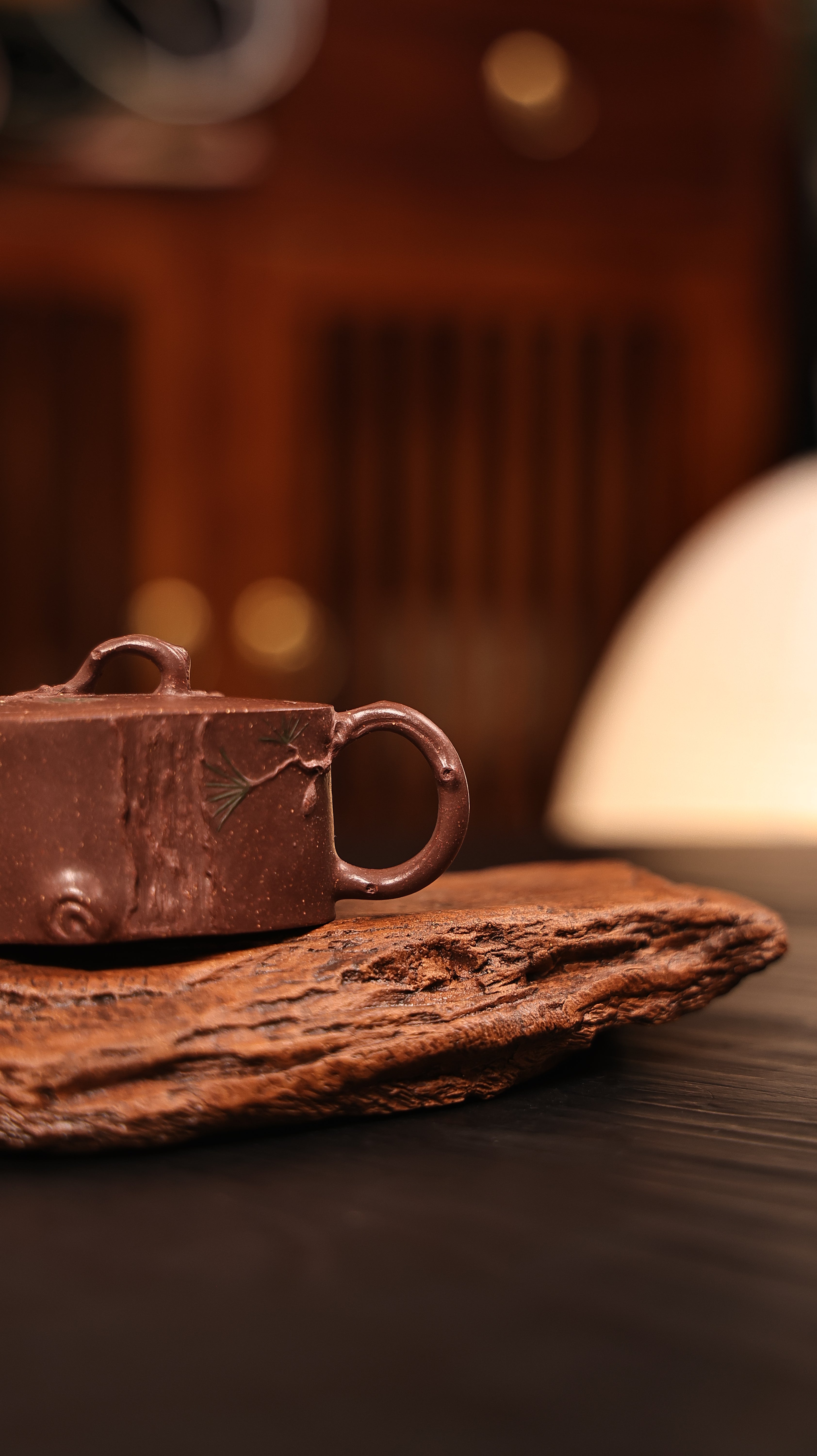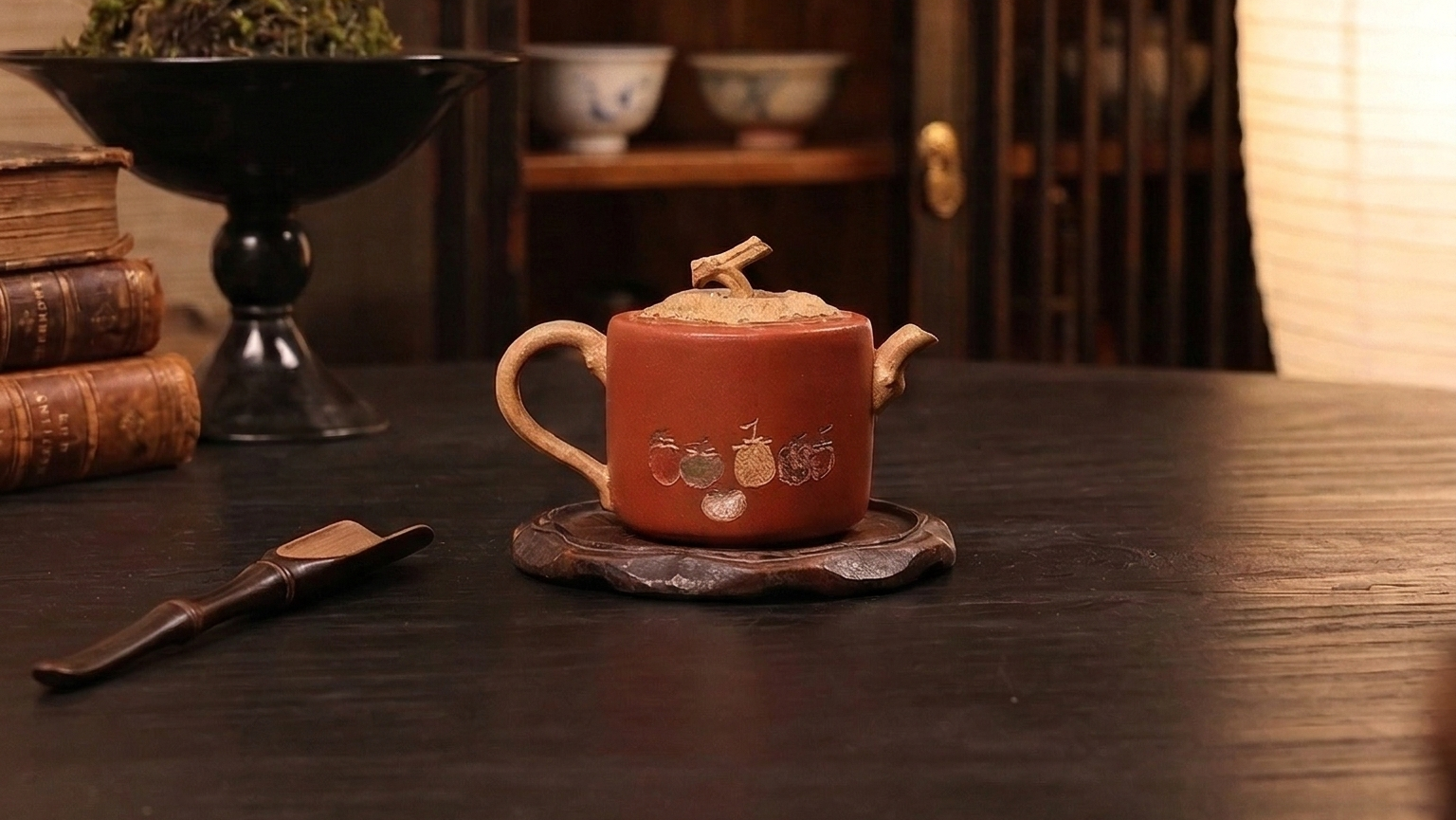
Everlasting legacy shapes Eastern ceramic pots alongside timespans,
Representing unique qualities taken inside indigenous aubergine particles, those containers acquire a finish across application, improving taste infused from brewed teas.
Appreciating Yixing Dregs: Complete Insights into Zisha
Many aficionados value the special feel of Yixing purple clay, a cornerstone of enduring Chinese workmanship. Springing from the Yixing region of Jiangsu province, this exquisite clay holds an detailed mineral structure, which bestows amazing qualities to the executed containers. Types within Zisha, including Zi Mud, Duan Ni Mud, and Jiang Xi Mud, each displays separate hues, feels, and curation traits, changing the airflow and the conclusive taste refinement of the drink.
Far Eastern Teapot Rituals: Discovering Craftsmanship
Eurasian teapots embody greater than mere vessels for concoction; they exemplify centuries of historical mastery. From the celebrated Yixing clay variations, respected for their permeable nature which delivers exclusive notes to the concoction, to the elegant porcelain from Jingdezhen, each piece reveals a chronicle of passion. The production process is an meticulous operation, often gifted through lineages of artists. These makers use ancient strategies such as hand-building, forming on wheels, and beautifying, demonstrating profound reverence for the clay and the work itself. Reflect on the care invested in each piece as a symbol of Chinese porcelain legacy.
- Fine containers: a celebrated option.
- Porcelain teapots: acclaimed as their fragile design.
- Modeling techniques: a exacting yet gratifying procedure.
Chinese Zisha Container Safeguarding: Maintaining Your Beloved Piece
Proper preservation of your notable Yixing Zisha pot is important to securing its value. Crafted from famous purple sand sediment, these remarkable teapots gain a appealing patina after use, considerably boosting their allure. Withhold detergents; a mild rinse with comfortable warmth hydraulic medium is sufficient. Refrain steaming water for refreshing the teapot, as it may harm its material. Allow it to desiccate away from excessive sunlight. Consider breaking in your teapot regularly using select tea, especially aged varieties. Here is a brief account:
- Rinse with tepid fluid.
- Resist solvents.
- Give it to air dry.
- Cure with superior tea.
Ancestry of Yixing Teapots: From Simple Starts
The story of Yixing teapots starts simply during the Song dynasty, about the 16th era. Initially, these earthenwares were not the treasured artifacts they are valued presently. They were created by provincial potters using the sole purple clay harvested solely in the Yixing vicinity. These early items were chiefly utilitarian, purposed for routine function and often basic in appearance. It was not until the Qing dynasty that they began to earn esteem beyond mere employable pieces.
Identifying the Appropriate Chinese Vessel: A Beginner's Manual
Approaching the arena of Yixing teapots can be discouraging, but refrain from doubting! For beginners, the primary factor is understanding the sediment. Legitimate Yixing clay is prized for its breathability, allowing the teapot to retain the tea's flavor over time, heightening every extracting session. Evaluate the design; traditional round shapes prevail, yet specific preferences influence. Lastly, assess the surface—while some favor an basic appearance, others value a gentle gloss. Take your time in the option process—this is an buying in a treasured piece of craftsmanship.
Native Clay Urns and Their Effect on Chinese Potion Ceremony
Zisha containers, existing from Yixing, China, have profoundly changed ancient Chinese potion culture. Those Yixing clay teapots, prized for their distinctive cast, surface, and exceptional ability to impart a subtle accent to the brew, serve as more than mere devices; they are appreciated artworks and symbols of importance. The very ritual of preparing and serving elixir using a Zisha teapot is steeped in importance, elevating the experience beyond simple refreshment. Families of artisans have improved their techniques, passed down through bloodlines, resulting in highly coveted pieces. For this reason, Zisha teapots are frequently treasured, playing a crucial part in cultivating Sino appreciation for aesthetics and the process of elixir ceremonies.
- Characteristic Clay Composition
- Adding Subtle Flavor
- Elegant Craftsmanship
Establishing Legitimate Special Eastern Jars
Obtaining a certified Yixing teapot can be a pleasurable experience, but the field is often saturated with counterfeits. Detecting between a authentic antique and a current reproduction requires thorough inspection. Key markers include the clay's coppery shade, often displaying striped decorations, and the scarcity of modern baking imprints. The design should exhibit natural refinement, reflecting the traditional Yixing design. Finally, evaluating the artisan's inscription is paramount to verify genuineness against recorded literature.
- Assess the clay's texture.
- Look for defects, indicative of bespoke quality.
- Utilize an specialist for assessment.
Committing to Yixing Ceramic Vessels: A In-Depth Instruction to Zisha Understanding
The domain of Purple Zisha crafts exhibits a unique venture for savvy patrons. Progressively, the rate of these skilled artifacts is driven by several conditions, such as the level of material, the craftsmanship of the producer, the time-honored notability, and, naturally, the recent attention. Rookies should invest time on understanding the different types of Zisha clay—such as 冰河, Calm Pot, and Scarlet Earth—and researching the features linked to each. Thorough assessment of the teapot's form, color, Chinese Teapot and seal is concurrently paramount to make educated evaluations when investing.