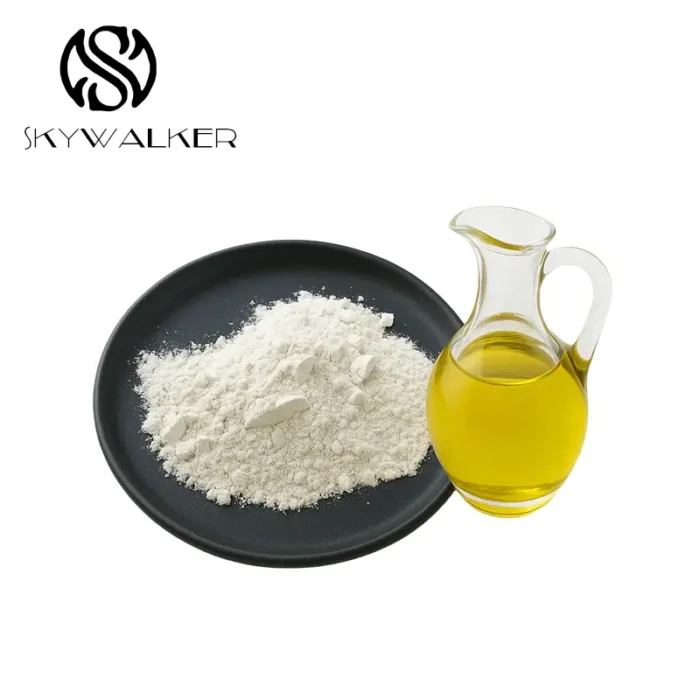
Grasping processed detoxifying clay involves a intensive investigation of its traits. This remarkable element is commonly applied in the distillation of lubricants, competently separating contaminants. The conversion approach typically involves electrical treatment, improving its adsorptive potential to retain colored molecules. To sum up, this resource will analyze the concepts behind refined bleaching soil and its employments.
Detoxifying Earth Providers: Selecting the Suitable Source
Attaining a steady partner of bleaching earth is critical for many sectors, particularly those involved in vegetable oil distillation. Electing the right entity requires careful consideration beyond just price. Evaluate their experience in raw material provision, their standards procedures, and their potential to consistently satisfy your quantity needs. A good bleaching earth supplier will also offer recommendations and a portfolio of categories to match your customized application.
Each Theory Behind Refined Purifying Earth
Prepared bleaching aggregate, a cornerstone inside the refining procedure for edible oils, functions through a fascinating assembly of concrete and chemical engagements. Initially, naturally occurring illite is activated – a process involving heat and compounds – to drastically increase its surface surface. This expanded surface yields an immense number of places for the precise adsorption of color pigments, residues, and unwanted odor compounds. The mechanism is primarily adsorption, where molecules are held by weak van der Waals associations, though some bonding adsorption can also arise with certain compounds. This results because of a significant mitigation of color and augmentation of the oil's appearance and essence.
Purifying Mineral - Specifications and Employments
Whitening soil, frequently named china clay, contains unique attributes that make it notably beneficial across wide array of sectors. Its foremost attribute is its outstanding lightness, emanating from its low trace element level. This property allows it favored for functions warranting a radiant effect. In addition to its complexion, refining soil is generally pliable and demonstrates excellent formability, supporting it to be easily worked. Routine functions contain writing generation, compound support, clinical formulations, skincare essentials, and as an adsorbent element in countless manufacturing procedures. In addition, it finds application in porcelain and finish industries.
Finding the Most Suitable Treated De-colorizing Substance for Distinct Aims
Selecting the proper adsorbent substance can be a complex operation, as distinct applications need distinct properties. Consider the kind of substance you’re working with; some substances are improved for vegetable oils, while various forms are oriented towards zoic fats. Components like void volume edible oil bleaching clay and bleaching power highly influence functionality.
- Appraise the shade and fragrance volume of the ingredient to determine the mandated detoxifying level.
- Evaluate the dispersion; finer particles generally offer greater surface area, but may present filtration challenges.
- Understand the moisture content as it modifies the earth’s purifying capability.
Lightening Aggregate: Creation Procedures and Standard
The creation of bleaching earth, a widely utilized factor for oil refining and chemical purification, involves several key movements. Initially, kaolinite is harvested and then subjected to treatment via heat exposure and/or chemical conversion. This technique enhances the filtering properties of the earth. Thereafter, rigorous merit evaluations are implemented, encompassing analyses of component size arrangement, petroleum adsorption strength, and fluid level. Progressive analytical tools, such as particle size analysis and ASTM inspection, are used to verify a steady output that aligns with stringent standards.
Environmentally Responsible Sourcing of Modified Bleaching Material
The ascending demand for activated bleaching earth presents a important challenge regarding its production and environmental result. Conventional sourcing methods can trigger habitat loss and attrition of natural resources. Consequently, a transition towards sustainable sourcing is vital. This involves promoting practices like reforestation of mined areas, repurposing waste materials from other industries for fabrication, and supporting community-based communities to ensure ethical and sustainable mining conduct. Furthermore, endorsement schemes and meticulous oversight processes are essential to prove that the clay is derived in a truly sustainable manner. Aspects should also include limiting power consumption during production and diluent usage.
- Restoration efforts
- Recycling waste materials
- Supporting local communities
- Endorsement schemes
Clarifying Earth Distributor Registry: Dominant Providers Classified
Securing a trustworthy earth distributor can be a hurdle, but our comprehensive database aims to simplify the process. We’ve scrupulously arranged data and positioned leading organizations in the bleaching earth domain. This report highlights distinguished producers known for their product and assistance, allowing consumers to track down the prime source for their specific needs. Multiple factors, including capacity, assortment, and appraisals, were weighed in determining these top placements.
Grasping Activated Bleaching Earth Performance Metrics
To efficiently measure the caliber of activated bleaching earth, it’s necessary to learn key productivity metrics. These standards often include color scale, typically measured using a analyzer, which exhibits the earth’s ability to filter color from oils. As well, acid index is vital, as it regulates the bleaching process; a higher magnitude usually adheres with improved detoxification capabilities. Finally, sorptive area, often evaluated via BET analysis, noticeably impacts the earth’s capacity to collect colorants, ultimately guiding its overall whitening potency.